
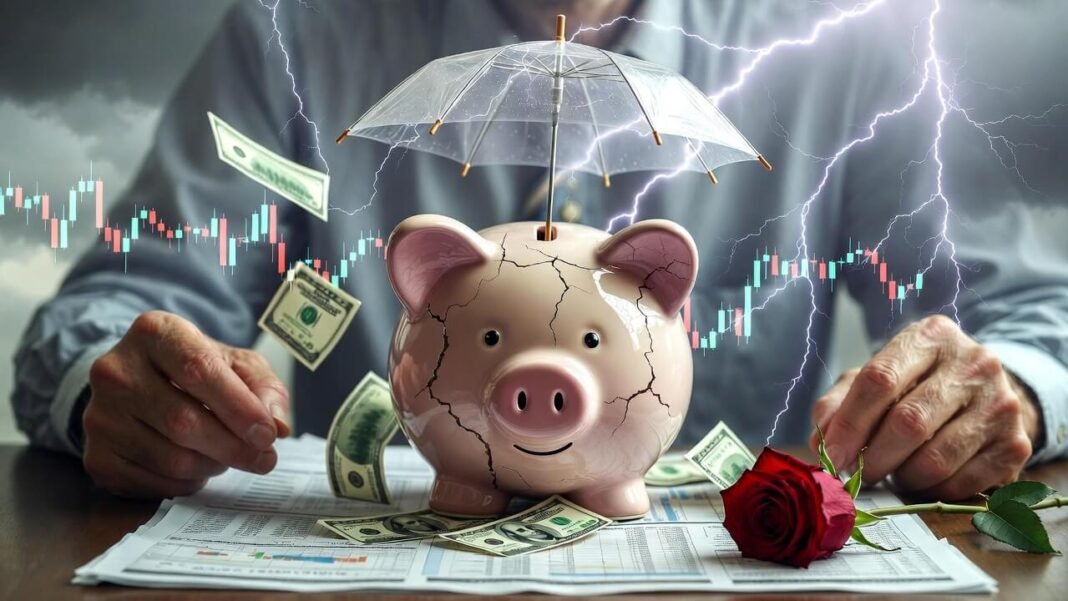


Okay, real talk. Protect Portfolio Market during market volatility is something I wish I’d taken seriously about five market freak-outs ago. Right now I’m sitting in my home office in the US, it’s late January 2026, the snow is coming down sideways outside, my coffee is cold, and my phone keeps buzzing with alerts that the S&P just dropped another 1.8% today. Fun times.
I used to be that guy who thought “buy the dip” was a personality trait. Spoiler: it’s not. I’ve lost real money—embarrassingly large chunks—because I panicked, or got greedy, or just plain didn’t have a plan when the market decided to throw a tantrum.
So here’s my current, flawed-but-genuine playbook for how I try to protect my portfolio during market volatility these days. Take it with a giant grain of salt—I’m still learning.
1. I Finally Built a Real Cash Buffer (And I Actually Keep It)
I used to keep like $2,000 in cash and call it an “emergency fund.” Laughable.
Now I aim for 12–18 months of living expenses in high-yield savings or short-term Treasuries. Yeah, it hurts to see that money “only” earning 4–5% while stocks are ripping higher… until they’re not.
Last March when everything tanked again, having that cash meant I didn’t have to sell my beaten-down tech holdings at -40%. Huge relief. → Read more about why cash is king during volatility: Vanguard – The role of cash in a portfolio
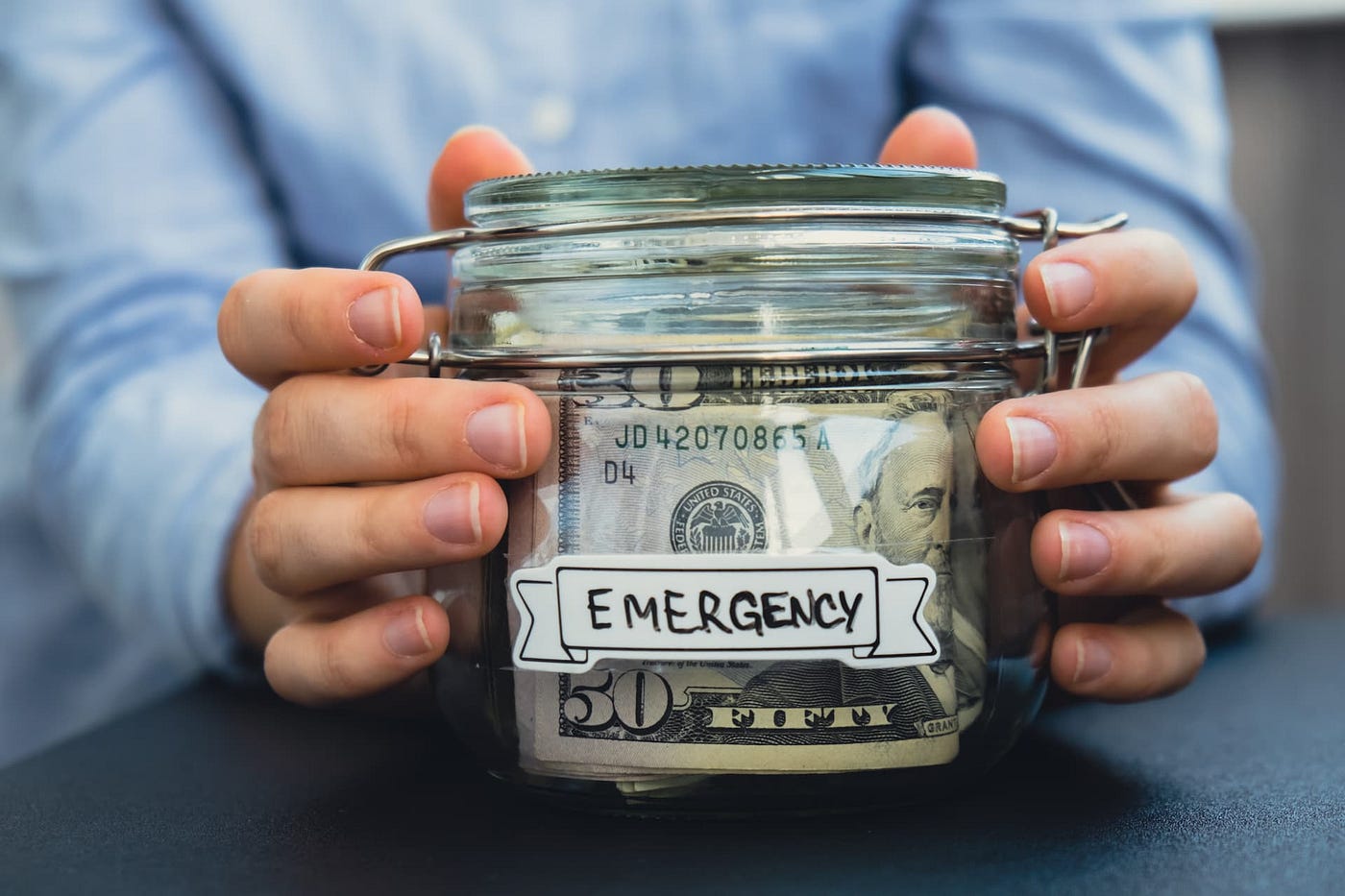
The Importance of Emergency Fund | Medium
This shows a modest emergency fund stash — think back to the old days of just a couple grand in cash, feeling “prepared” but really vulnerable.

Prioritizing Investments : r/Bogleheads
2. I Rebalanced… But Only Once a Quarter (Not Every Damn Day)
I used to check my brokerage app 47 times a day and “rebalance” every time something moved 5%. That’s just gambling with extra steps.
Now I set calendar reminders to Protect Portfolio Market—or if any asset class drifts more than ~10% from target. Keeps me disciplined and saves on taxes and transaction fees.
Pro tip: I use target-date funds or all-in-one ETFs (like VT or AOR) in my taxable accounts because they auto-rebalance for me. Lazy? Yes. Effective? Also yes.
3. I Stopped Trying to Time the Market (Mostly)
I still have a tiny “fun money” account where I swing trade or chase momentum names. It’s usually down 12–18% at any given moment. That’s fine—it’s play money.
But my Protect Portfolio Market? It’s boring on purpose:
- 60–70% broad-market index funds (VTI, VXUS, BND)
- 10–15% individual quality dividend growers (think JNJ, PG, MSFT, AAPL)
- 10% gold / commodities ETF (GLDM or GDX) as chaos insurance
- 5–10% cash / short-term bonds
When volatility spikes (VIX > 30), I sometimes add a little to that cash sleeve instead of buying the dip. It feels terrible… until the next leg down.

4. I Use Cheap Put Protection… Sometimes
Full disclosure: I’ve only done this twice, and both times it cost me money. But last October when the market looked really frothy, I bought some cheap out-of-the-money SPY puts expiring in 3 months. Cost me ~1.2% of my portfolio.
The market kept going up for another month, then dropped 12% in three weeks. Those puts went up ~400%. I sold half and let the rest ride. Made enough to cover about two years of my “oops” trades.
Not recommending you do this every week—it’s expensive and usually expires worthless. But when sentiment is euphoric and valuations are silly, a little tail-risk hedge can feel like a security blanket.
Great explainer here: Morningstar – Using options to hedge a portfolio
5. I Turned Off All Notifications (Seriously, Do This)
The single best thing I’ve done for my mental health and my portfolio? Turned off every single market notification, price alert, and CNBC push notification.
I check once in the morning and once at night. That’s it. No more knee-jerk reactions at 2:17 a.m. when China sneezes.
6. I Keep Repeating My Mantra Out Loud
When the red starts bleeding across the screen, I literally say out loud:
Sounds cheesy. Works like a charm. I look like an idiot talking to my monitor, but it stops me from doing something stupid 90% of the time.
Final Thoughts (aka: Please Don’t Be Me Circa 2022)
Look, protecting your portfolio during market volatility isn’t about never losing money—it’s about not losing your head. I still make dumb moves. I still get FOMO. I still occasionally buy the top and sell the bottom.
But having a simple, written plan, a fat cash buffer, boring core holdings, and the discipline to mostly ignore the daily noise has made a huge difference.